Computer Science Student
CS student working across machine learning, quantitative research, and full-stack development. I build things like Bitcoin optimization engines and neural network classifiers.

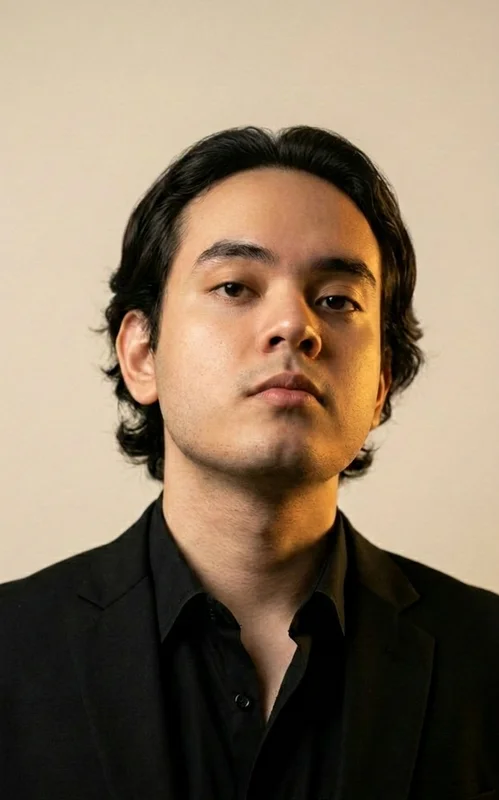
Hello! I'm Benedict Pepper, a Computer Science student with a deep passion for exploring the intersection of data analytics and human-centric software. My journey started with simple scripts, but quickly evolved into building complex machine learning models and full-stack applications.
I focus on building software that handles complex data while staying easy to use. My work ranges from quantitative finance research on Bitcoin market cycles and optimizing trading strategies, to health-tech innovation with an AI-powered herbal medicine scanner, and applied machine learning for sign language recognition. I enjoy making technical backend logic accessible through clean, functional interfaces.
A timeline of my academic, professional, and leadership growth.
National Student Creativity Program | March 2026 - Present
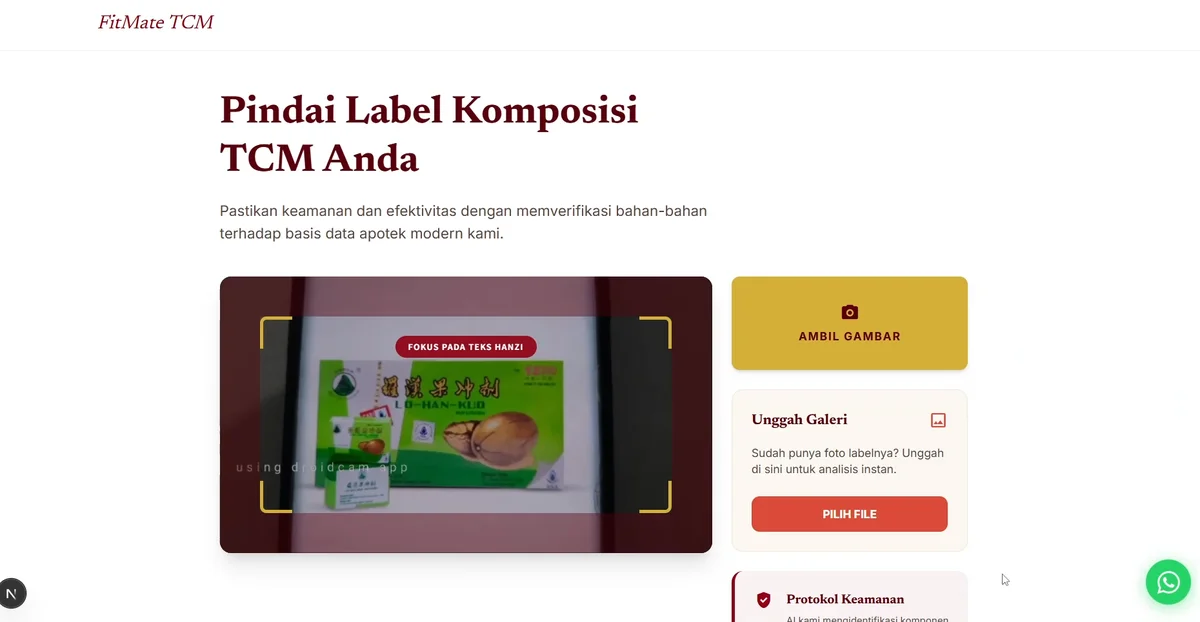
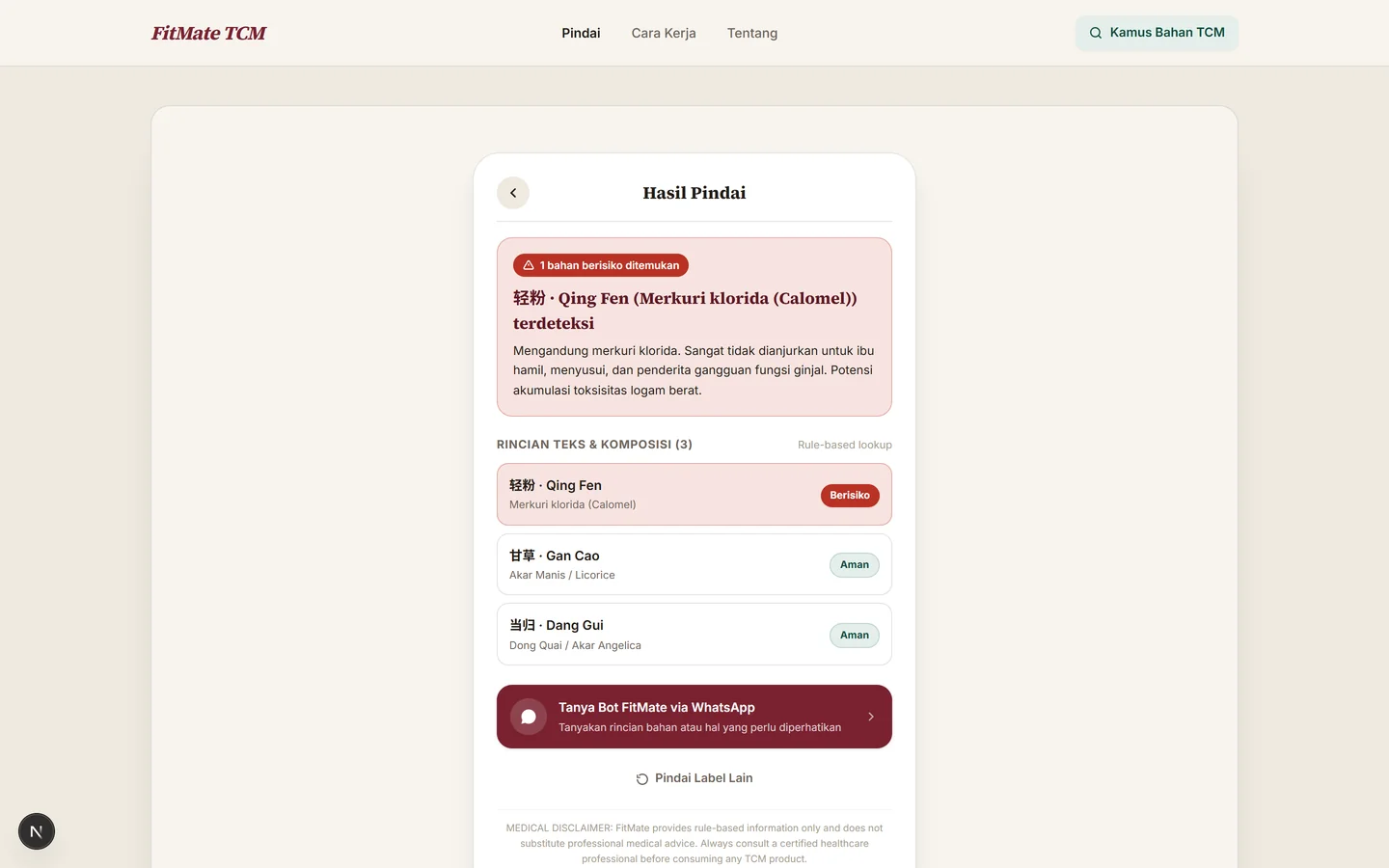
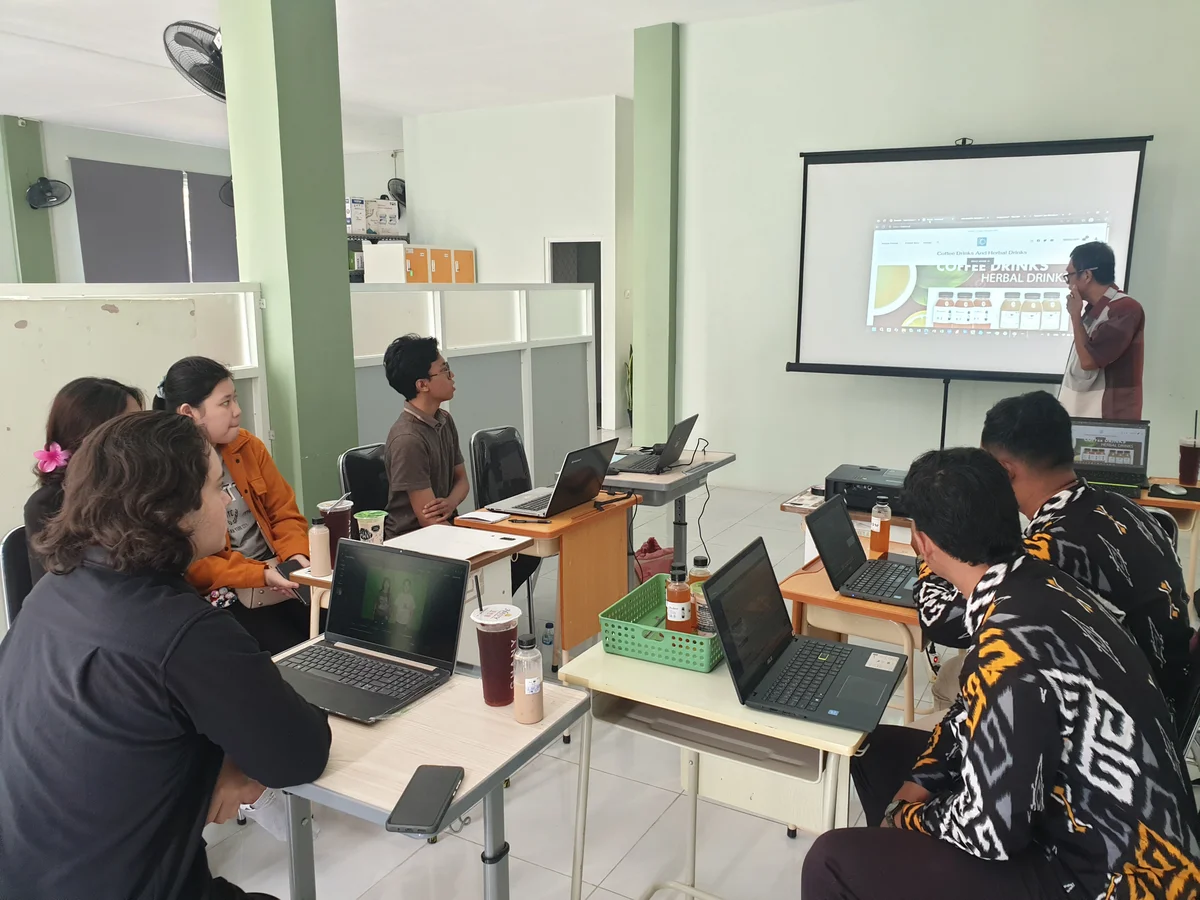
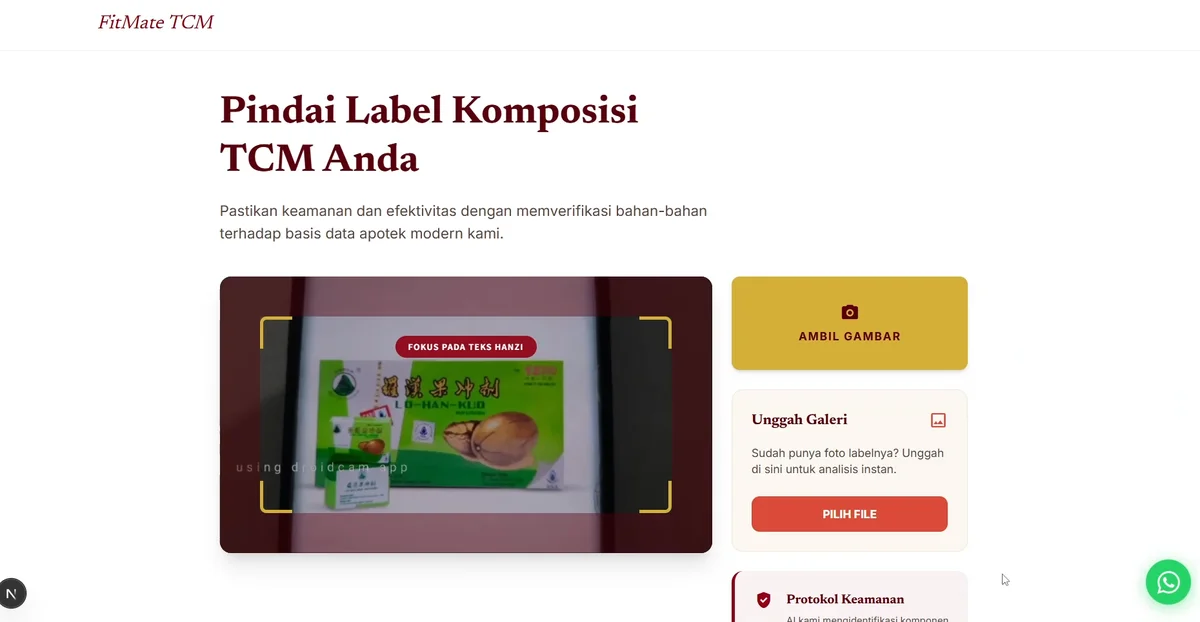
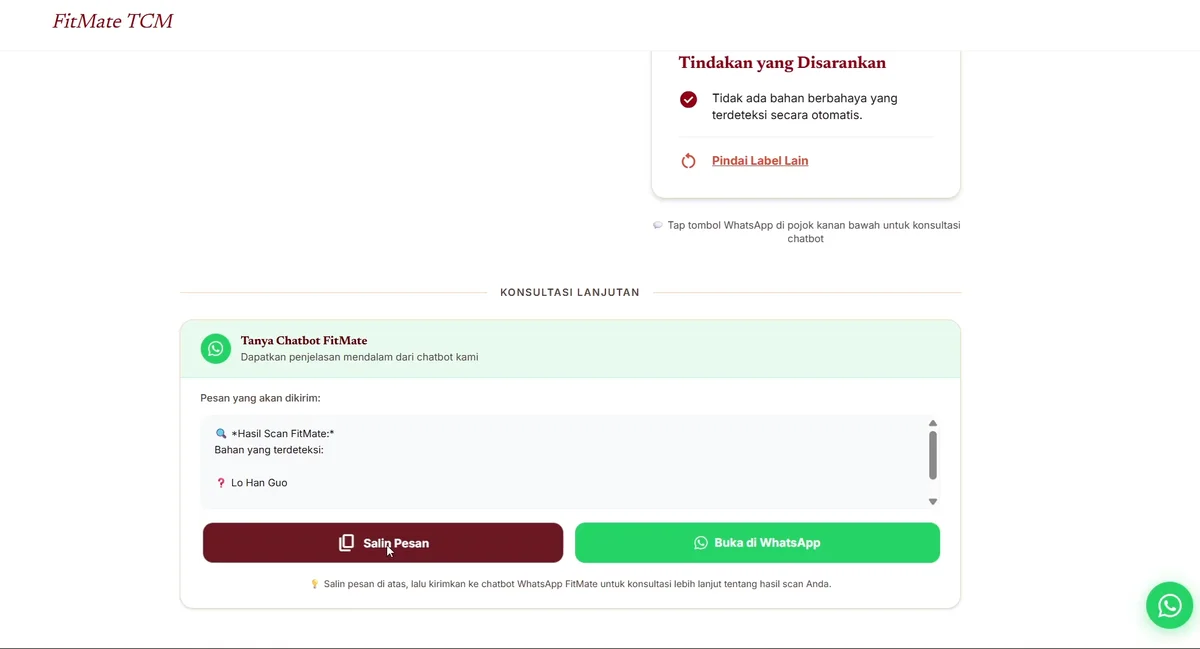
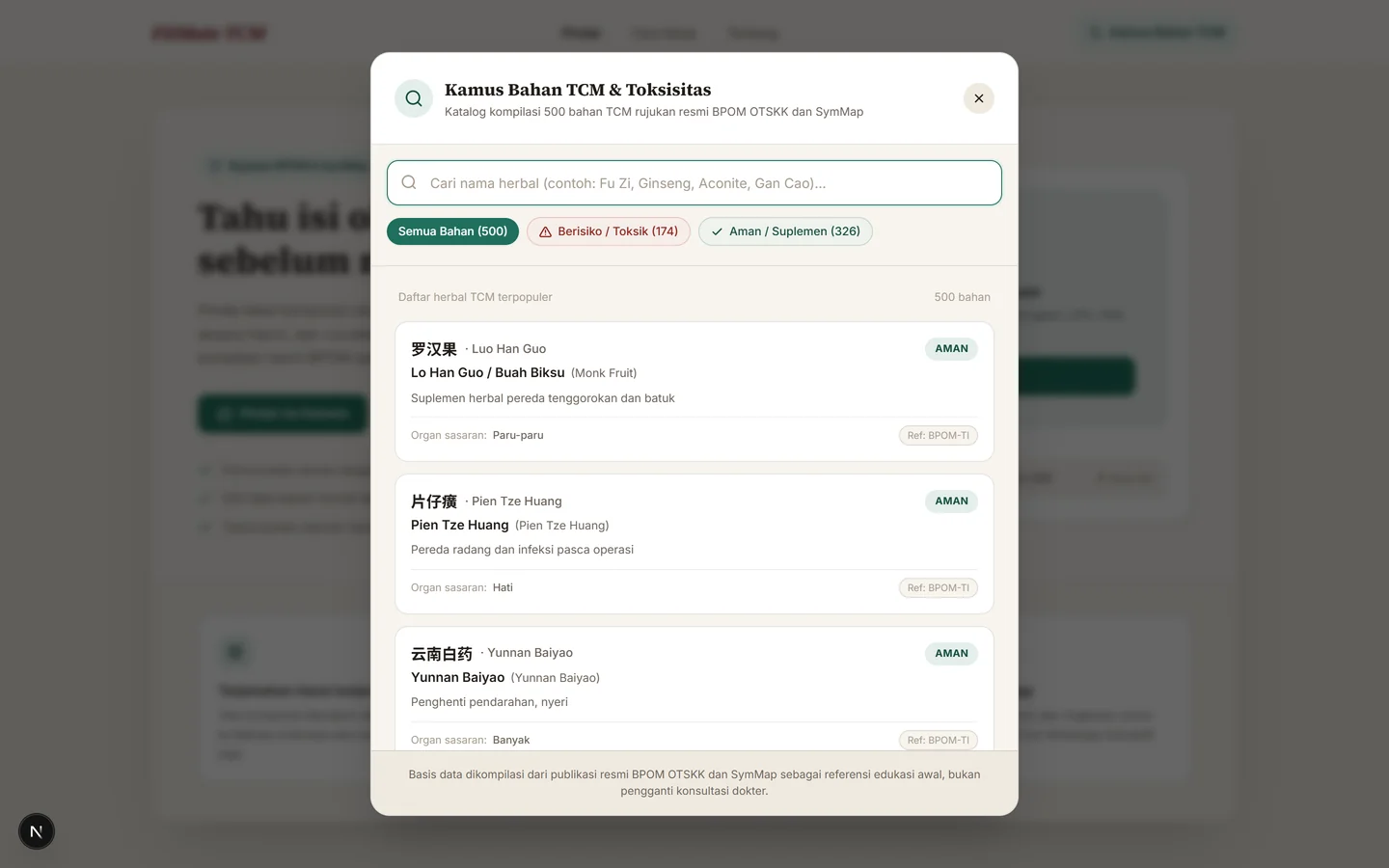
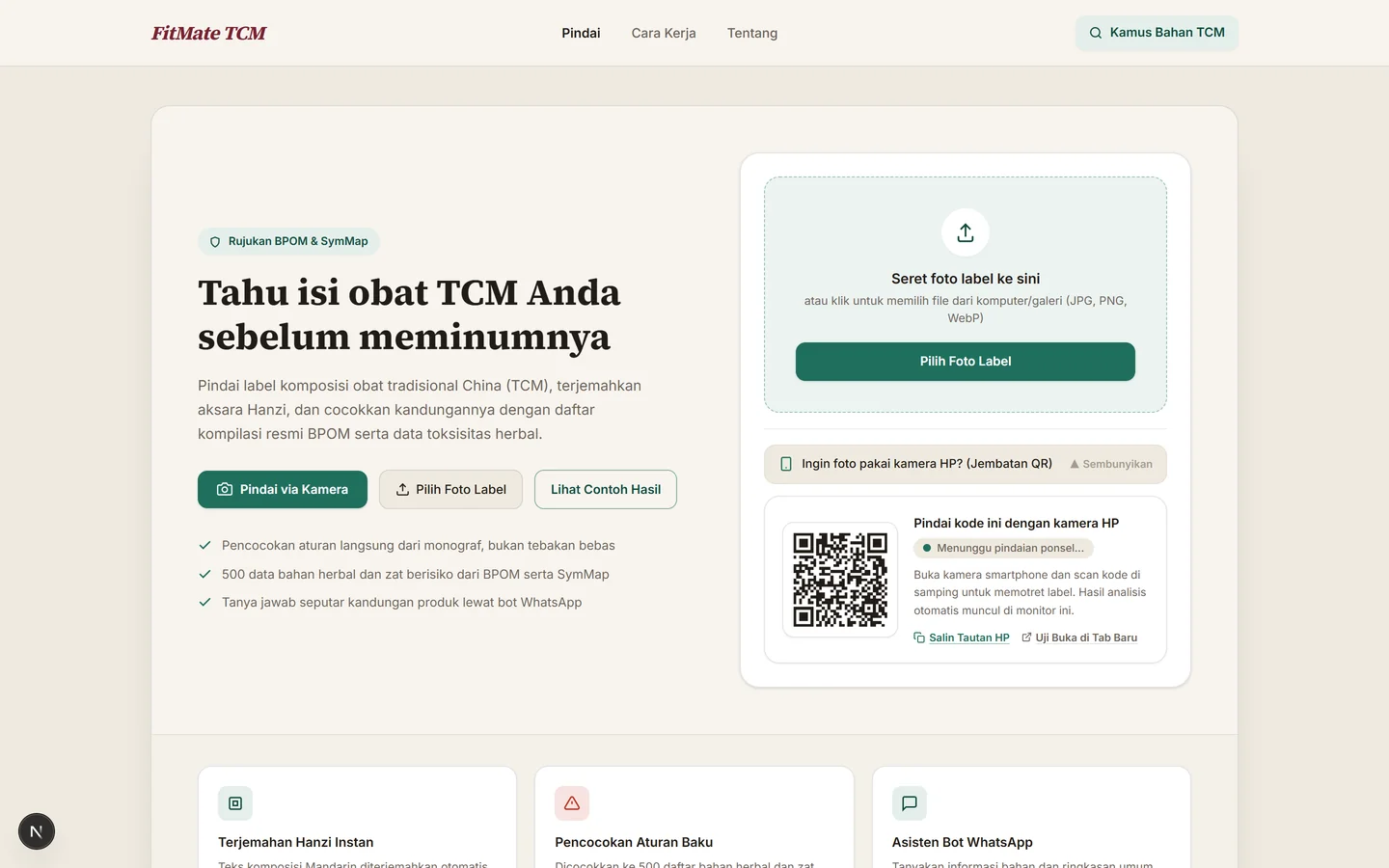
Collaborating on 'FitMate', an interdisciplinary health-tech innovation funded by the government. Leading the technical development of a Python-based rule-based chatbot and website integrated with the WhatsApp API to translate Mandarin herbal medicine labels and prevent medication errors.
Ma Chung University | Feb 2026 - Present
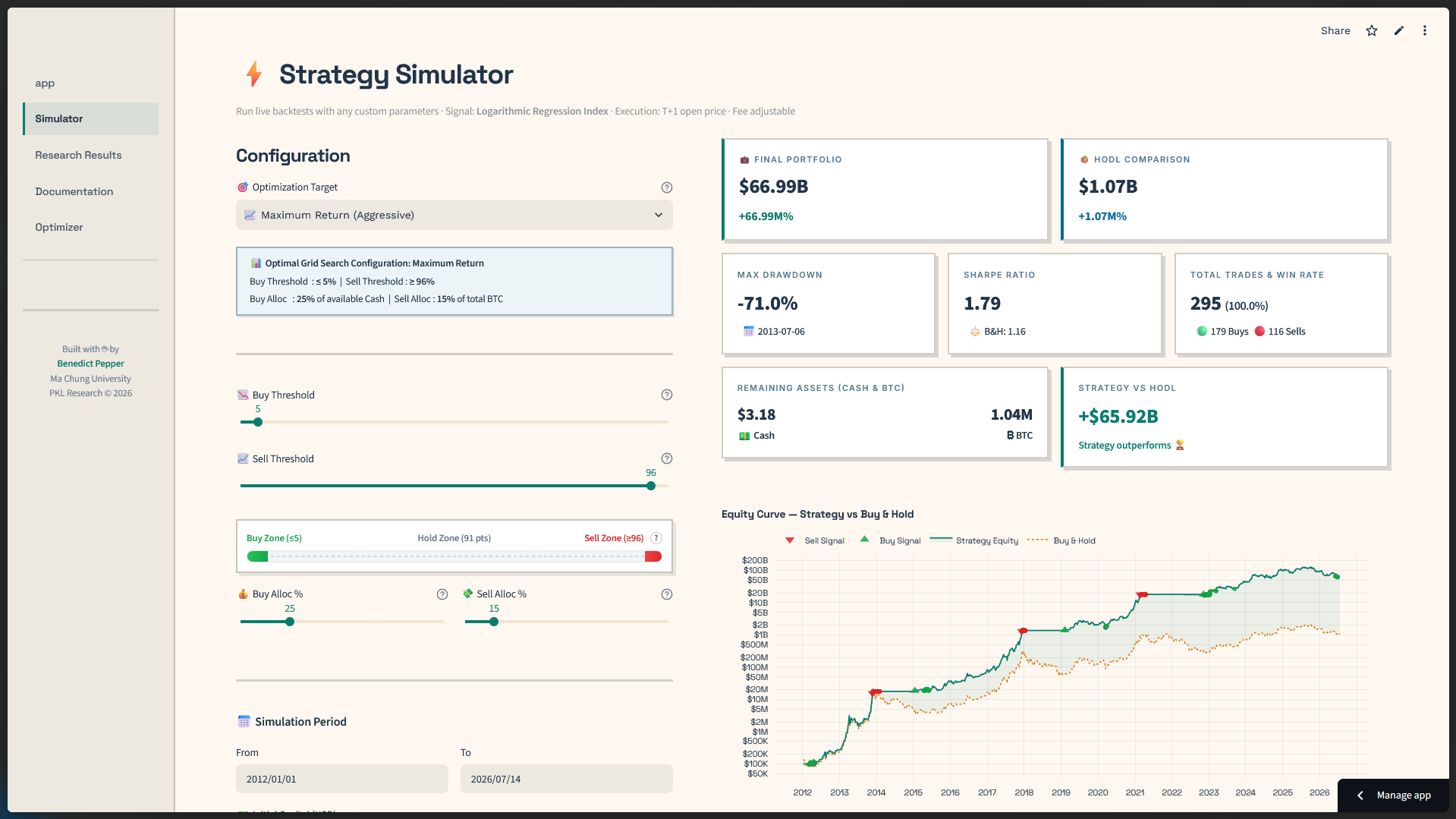
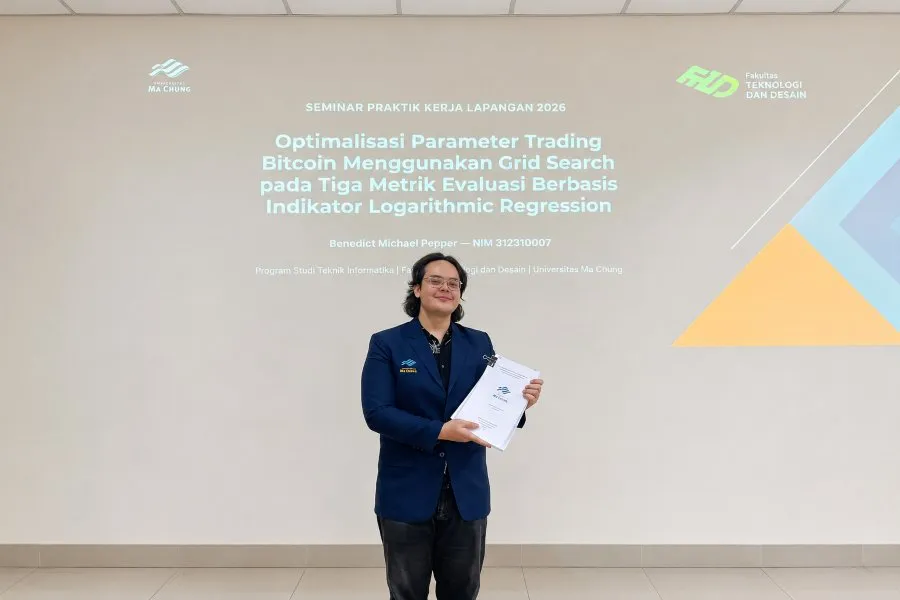
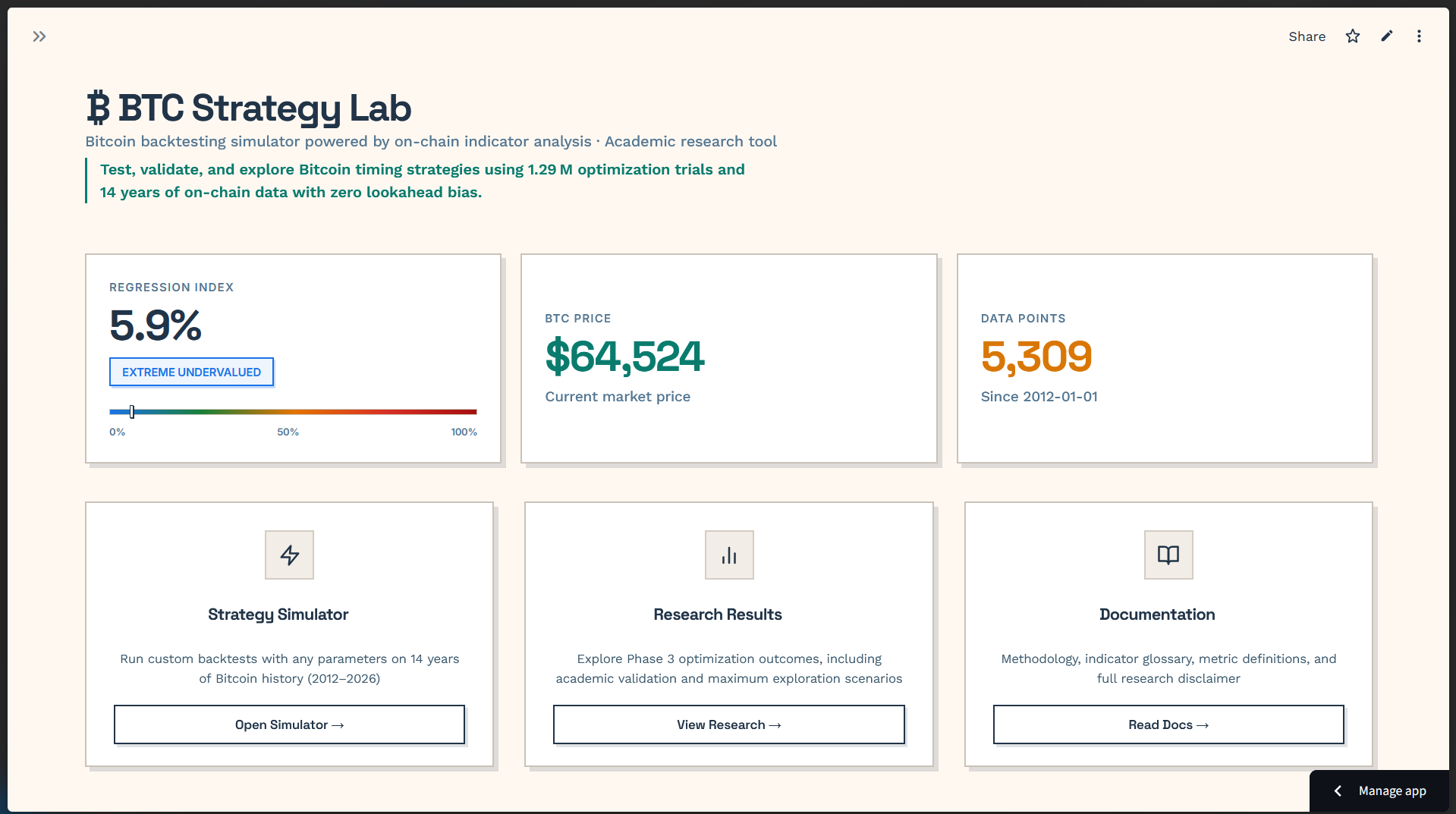
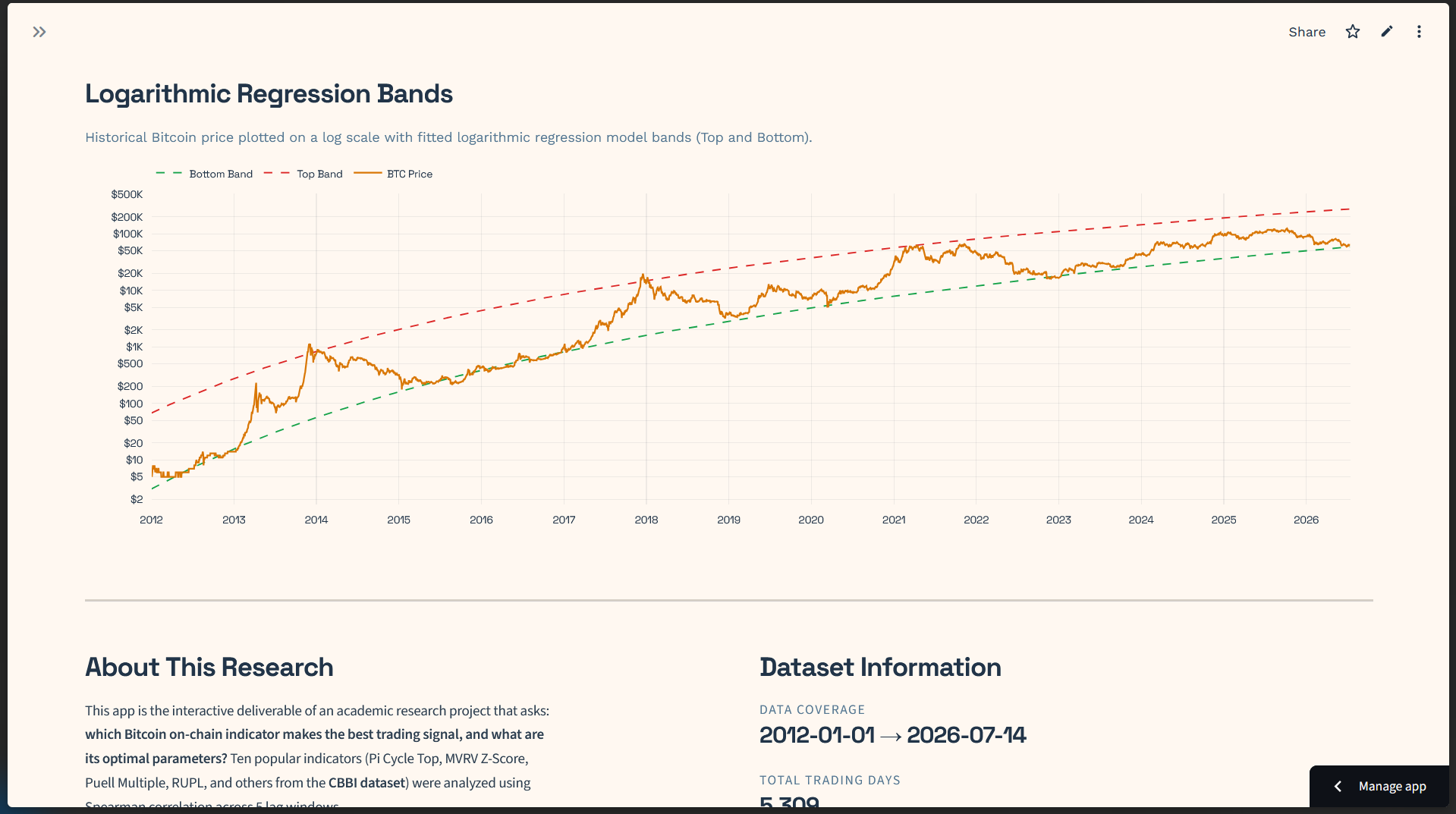
Conducting advanced quantitative research on optimizing CBBI (Colin Talks Crypto Bitcoin Bull Run Index) indicator parameters for Bitcoin portfolio performance. Developing an optimization framework using Python and backtesting to tune buying/selling thresholds and asset allocation, validated through In-Sample and Out-of-Sample testing against 3 Bitcoin halving cycles.
Ma Chung University | 2026
Conducting applied intelligence research on optimizing sign language recognition from sensor glove data. Applying XGBoost and Multi-Layer Perceptron (MLP) models on a 45,000-sample dataset across 20 classes to exceed the 98.9% kNN baseline accuracy and resolve overlapping gesture classes.
Informatics Engineering Student Association (HMP) | Oct 2023 - Jun 2025
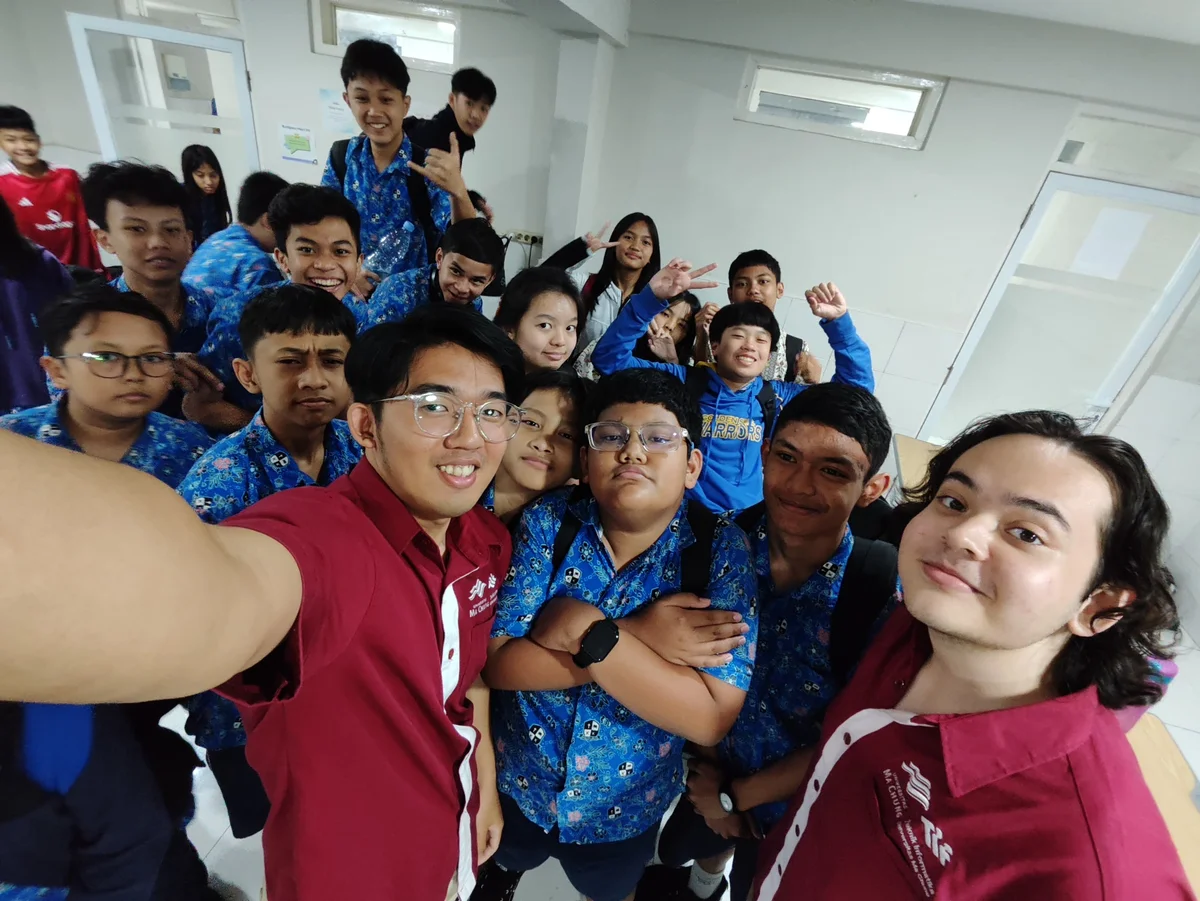
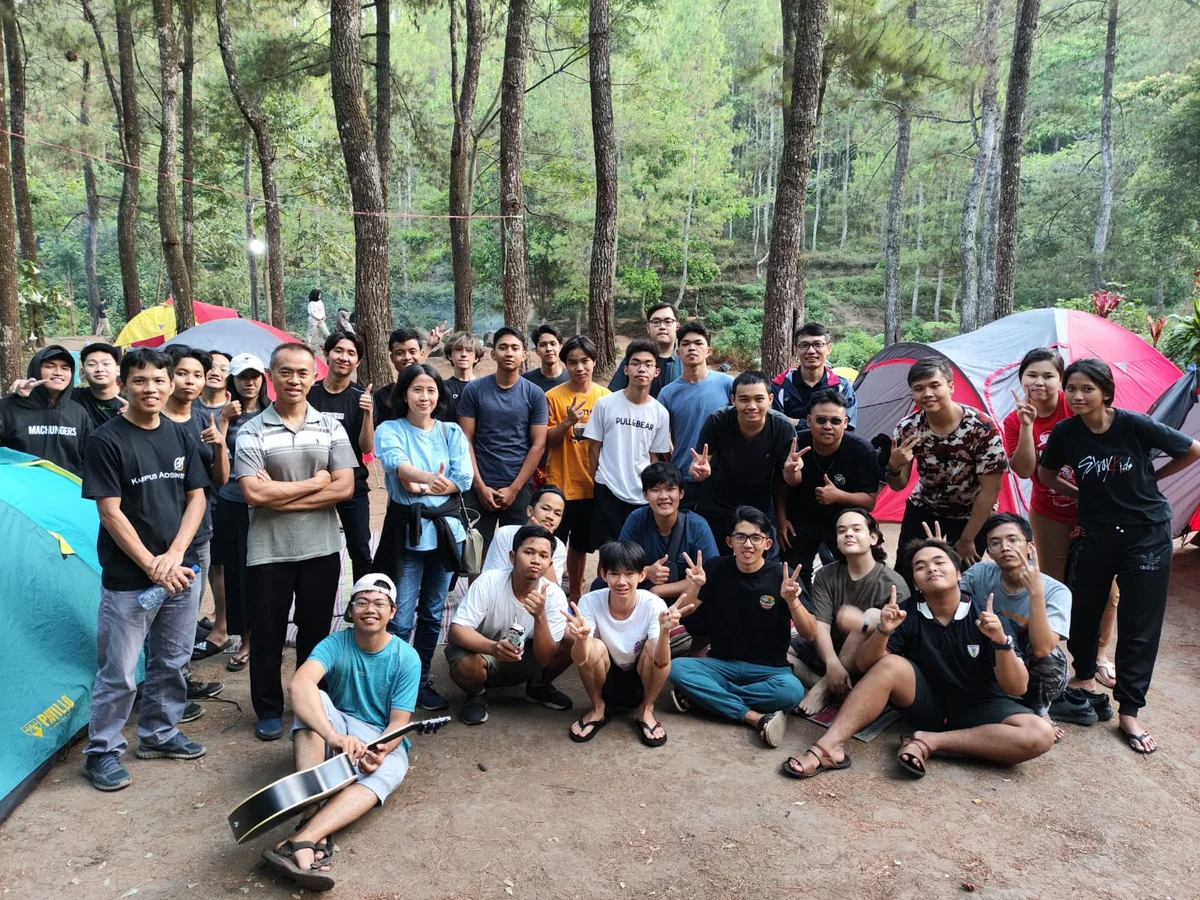
Managed financial planning and cross-functional teams for major university programs. Coordinated the 'IT School' workshop for 100+ high school students and led the 'Harmony IT' outdoor integration program, successfully optimizing the budget by 53%.
Academic Projects | 2023 - 2024
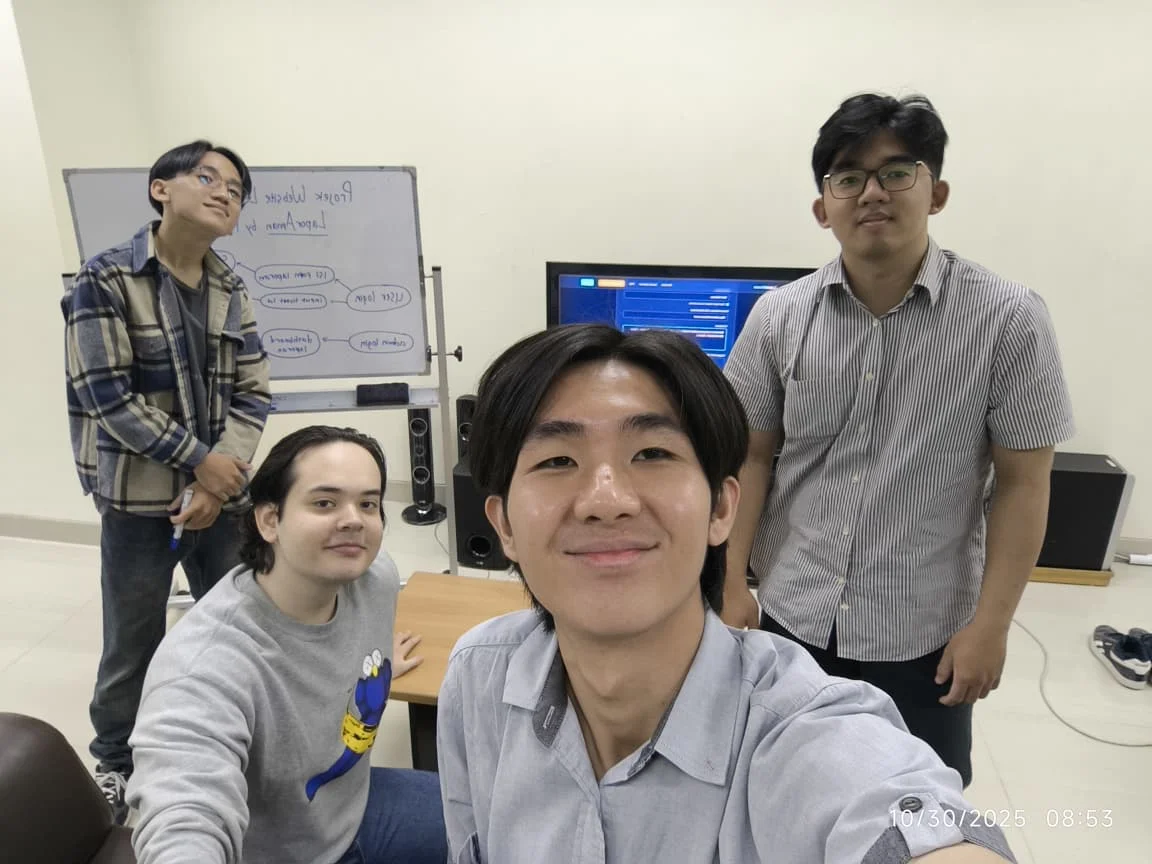
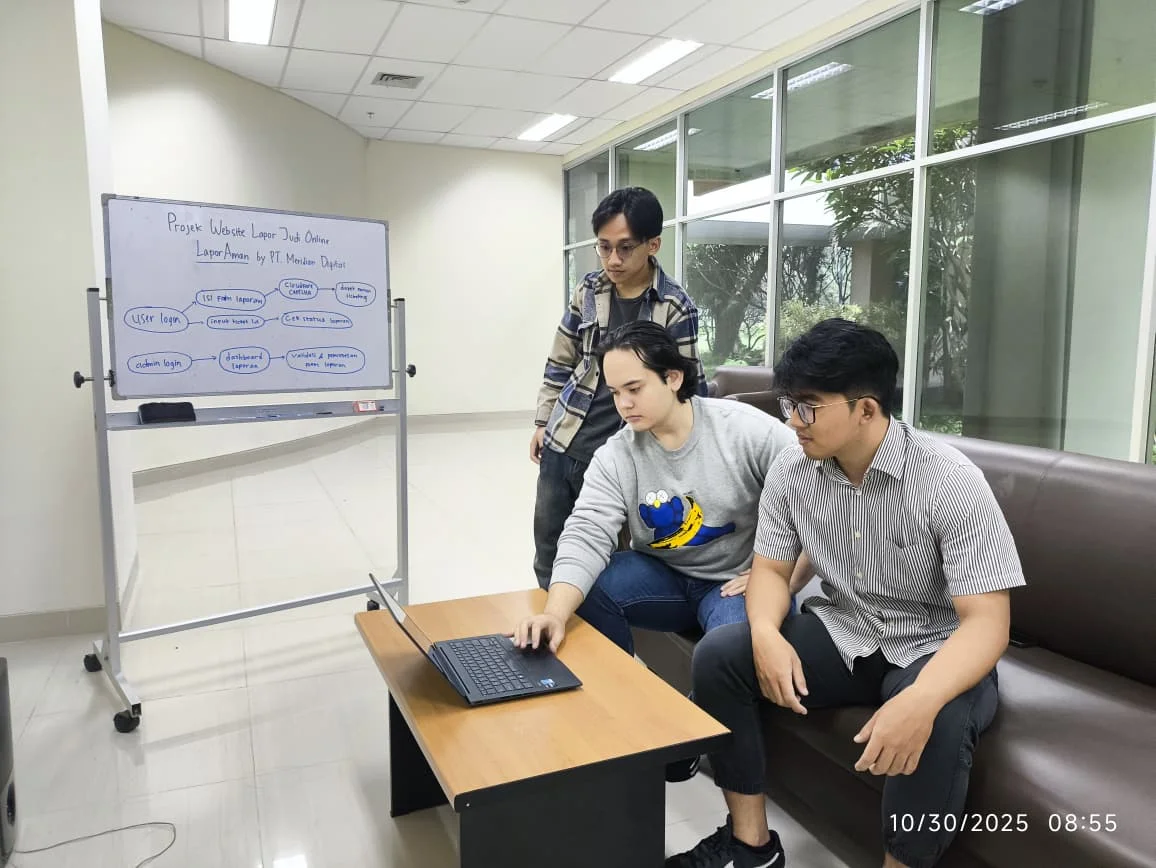
Spearheaded full-stack and data science projects, coordinating with team members to deliver high-quality applications like 'Lapor Aman' and various analytical tools under tight deadlines.
Rotaract Club & Ma Chung Festival | 2024
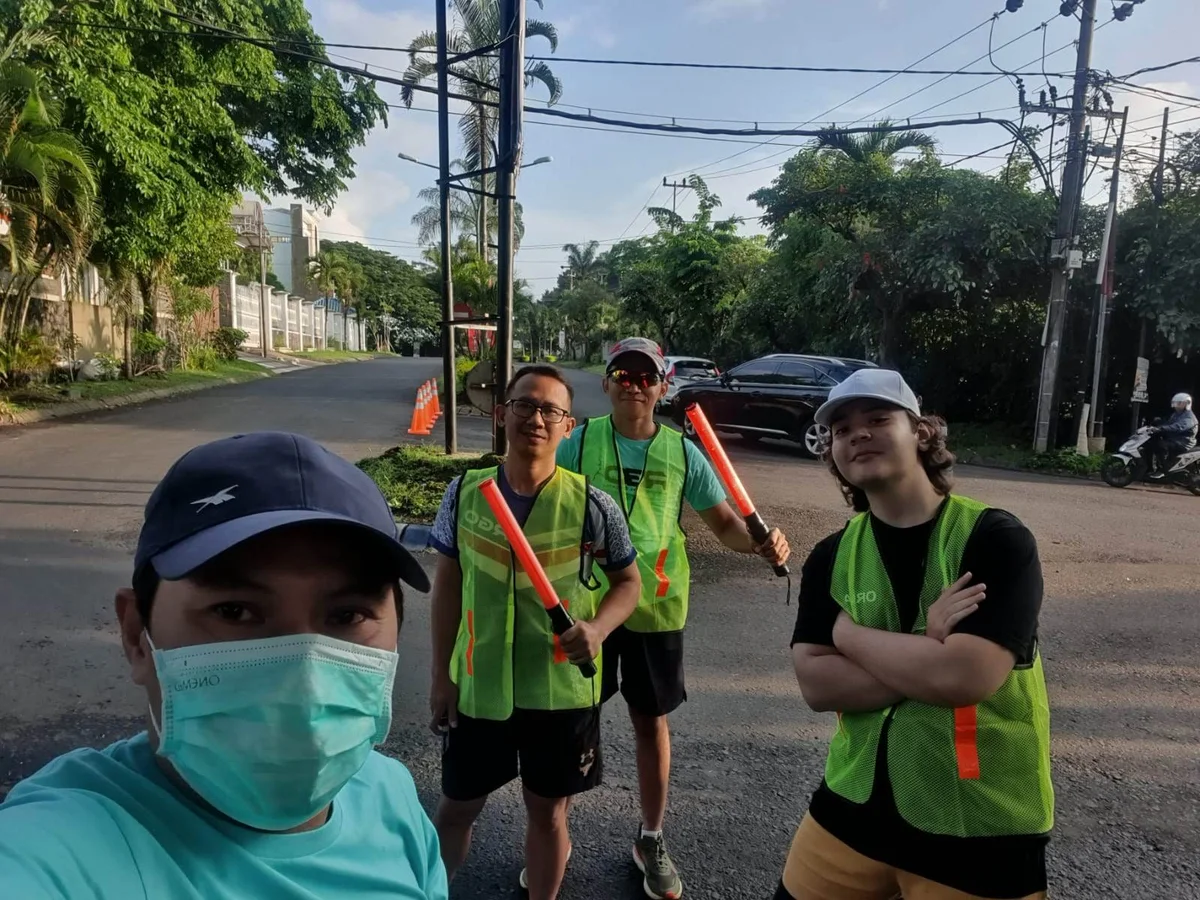
Served on the Health Division Committee ensuring safety protocols for 250+ students. Previously managed operations for the Smile 3.0 blood donation event, achieving a 110% increase in participation metrics.
Technologies and methodologies I leverage to solve complex problems and build robust systems.
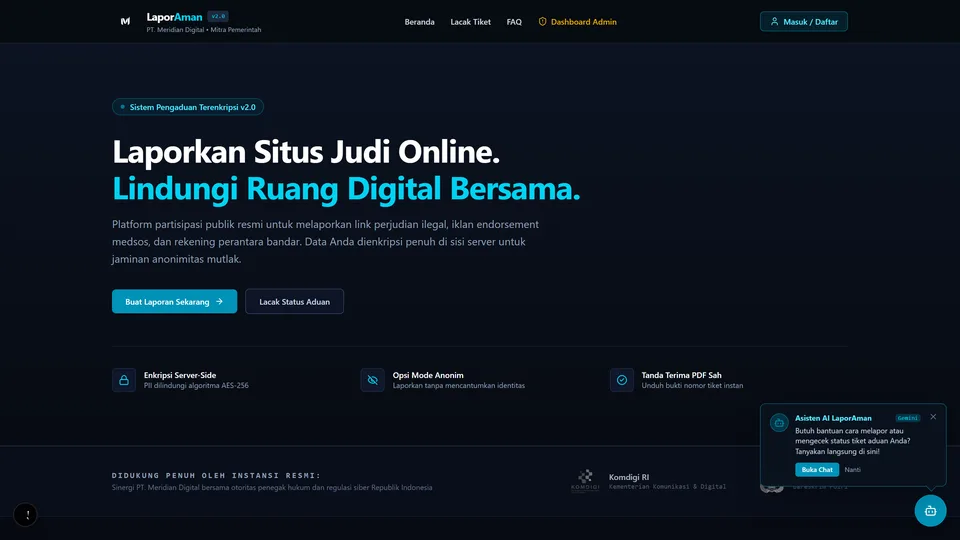
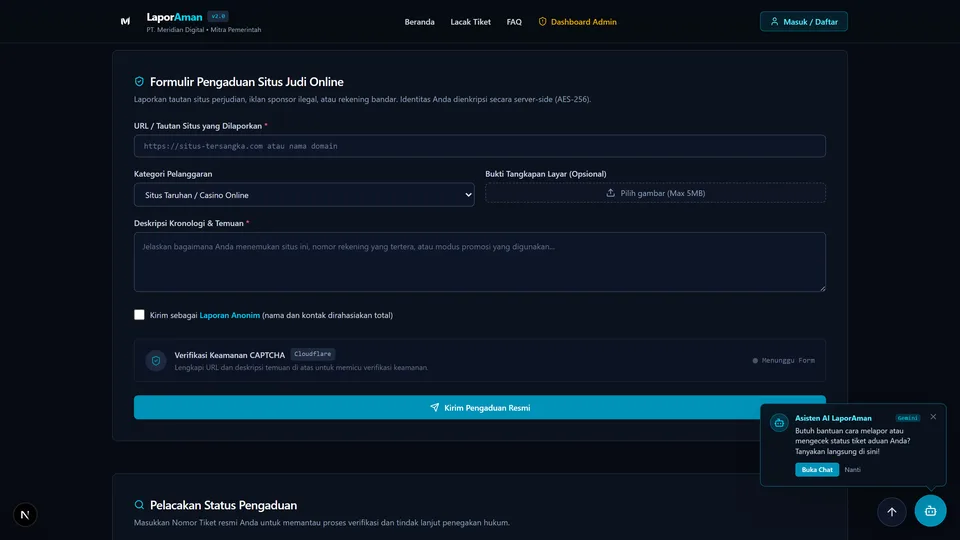
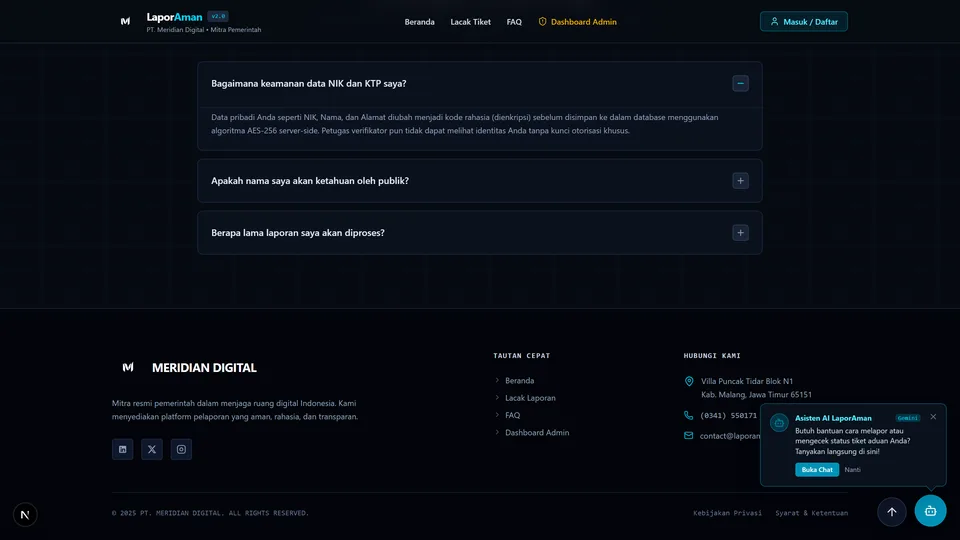
Developed as a final project for a Project Management course, this platform provides a secure way to report online gambling sites. It is a full-stack application that uses encryption to protect the identity of reporters and ensure anonymity. The system includes a working reporting flow and an admin dashboard for managing submissions, all hosted on Firebase.
A web-based tool designed to generate, analyze, and visualize pseudo-random numbers. It supports various algorithms like LCG, Middle-Square, and Xorshift, allowing users to perform formal hypothesis testing on the results. The toolkit includes built-in statistical tests and visualizations to help evaluate the quality and uniformity of generated sequences.
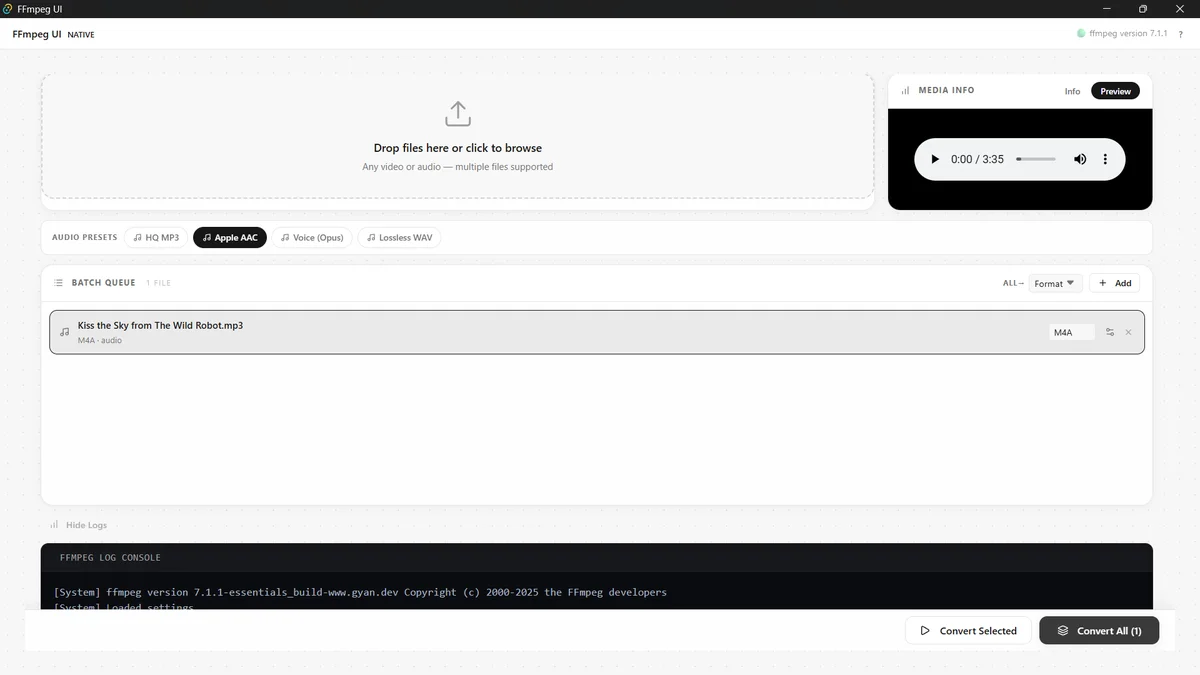
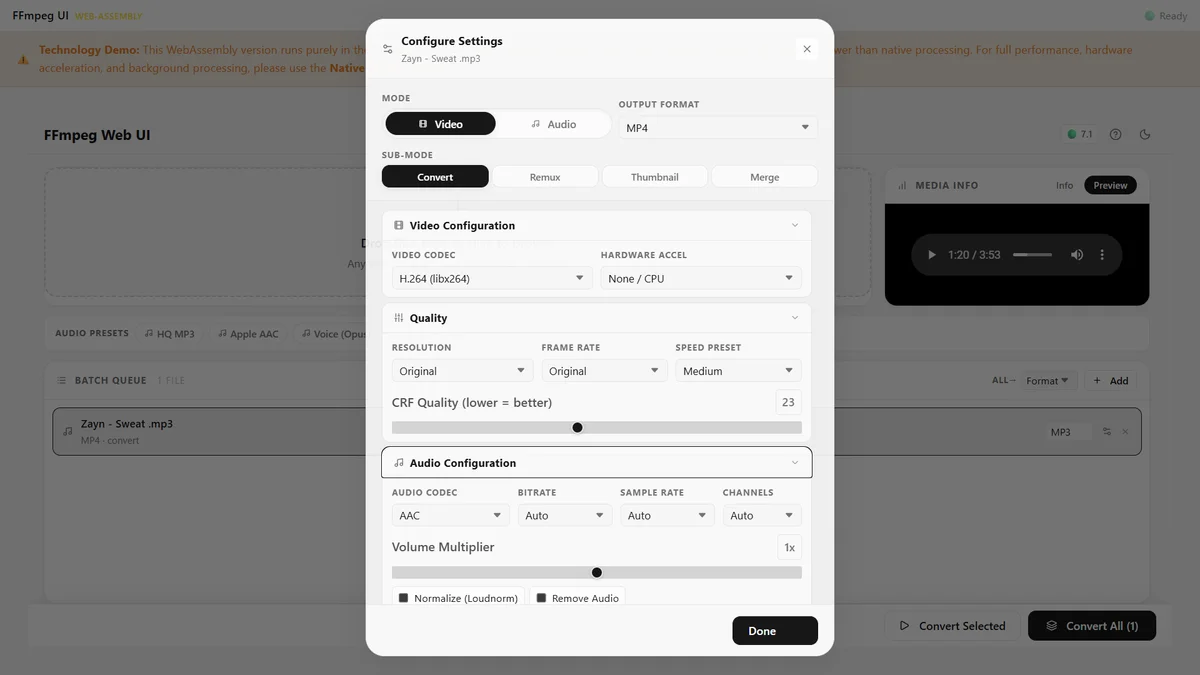
A graphical interface for FFmpeg that allows users to convert audio files via a web browser. It simplifies the process of adjusting bitrates and formats through a drag-and-drop system. The app also displays the exact FFmpeg command being executed in the background, serving as both a utility and a reference for learning terminal commands.
An interactive, GUI-based Discrete Event Simulation (DES) tool designed to model, analyze, and optimize multi-server queueing systems. Built as a virtual laboratory, it allows users to run complex "what-if" scenarios (like adding servers) to find the mathematically optimal balance between operational costs and customer waiting times.
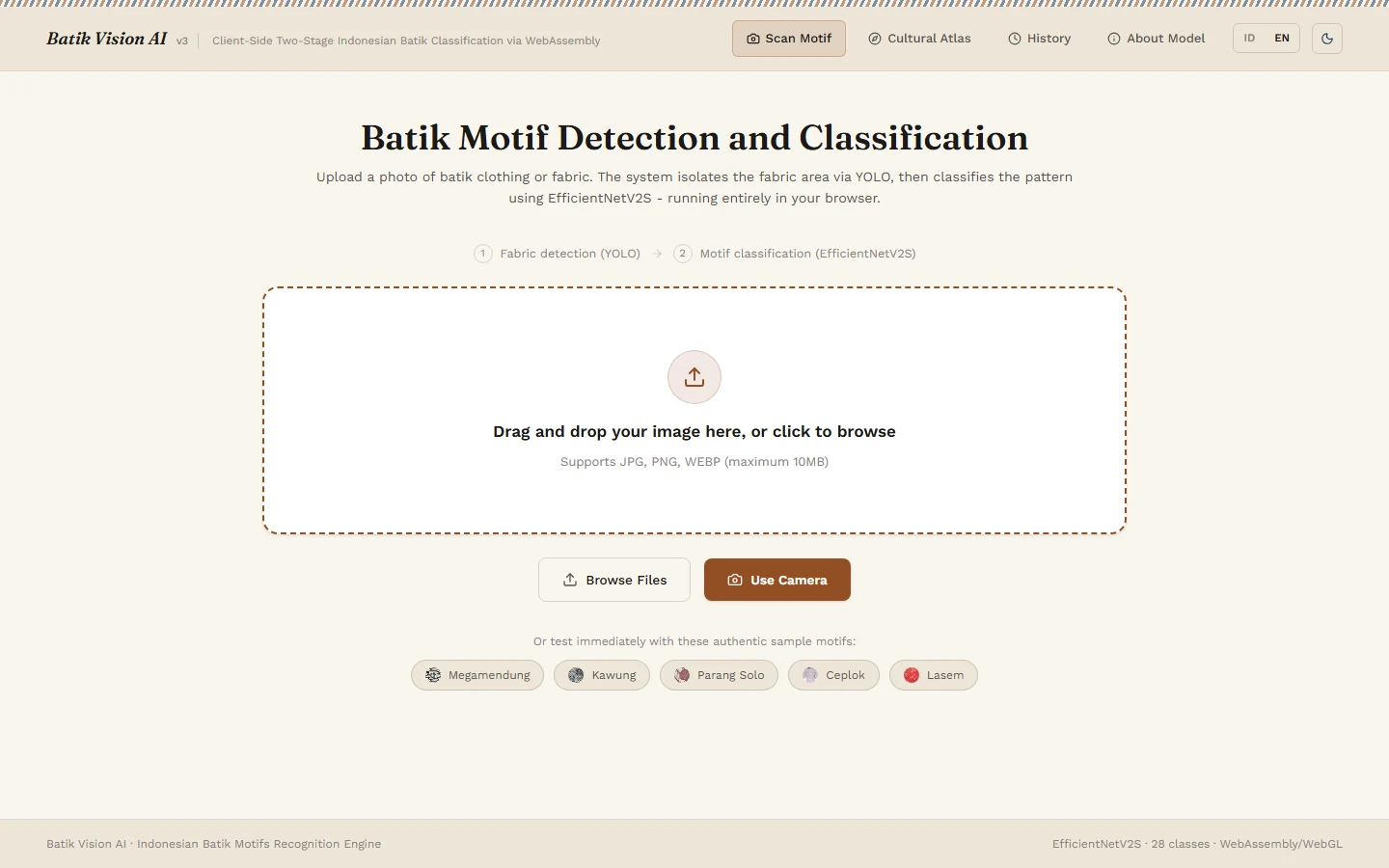
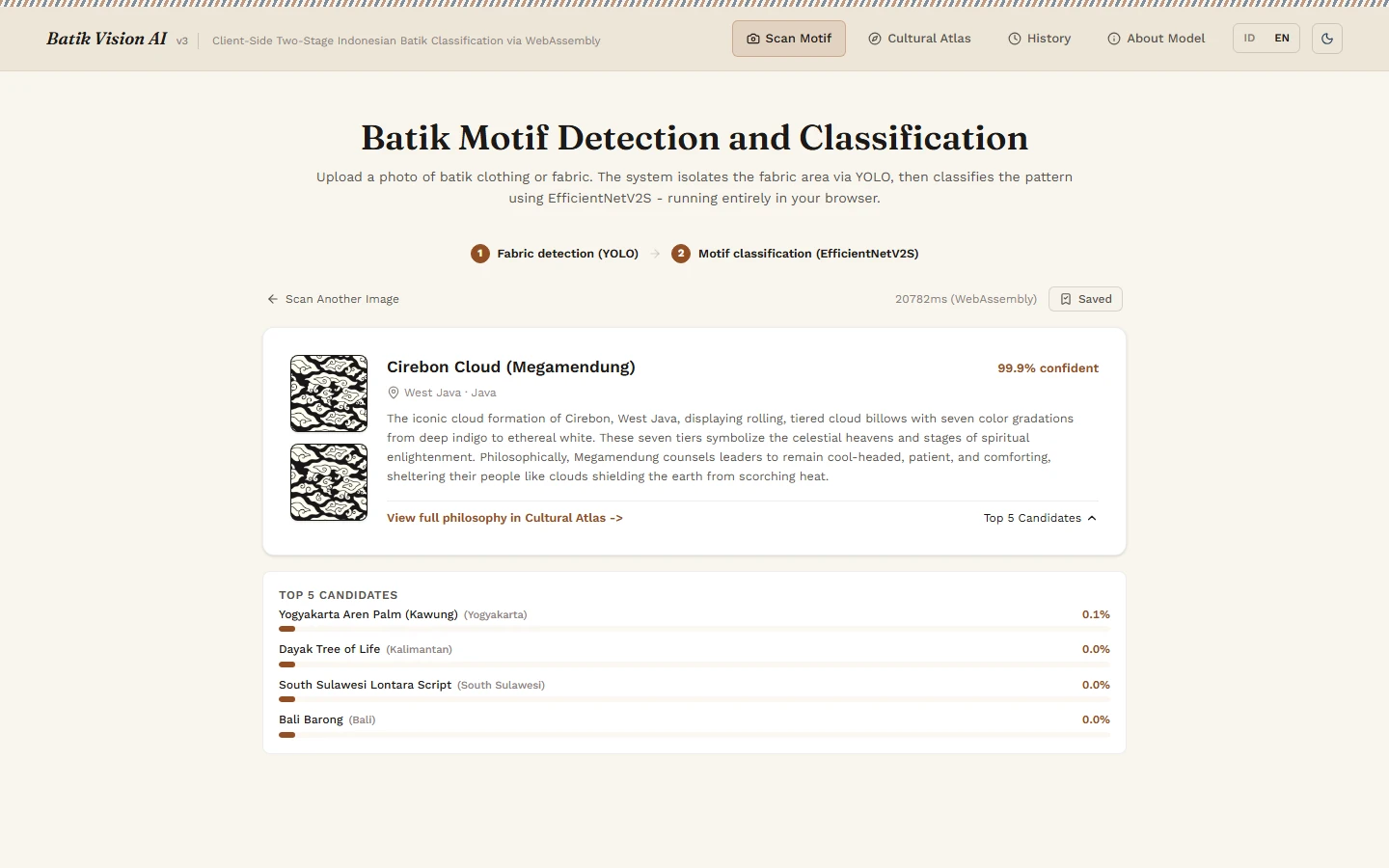
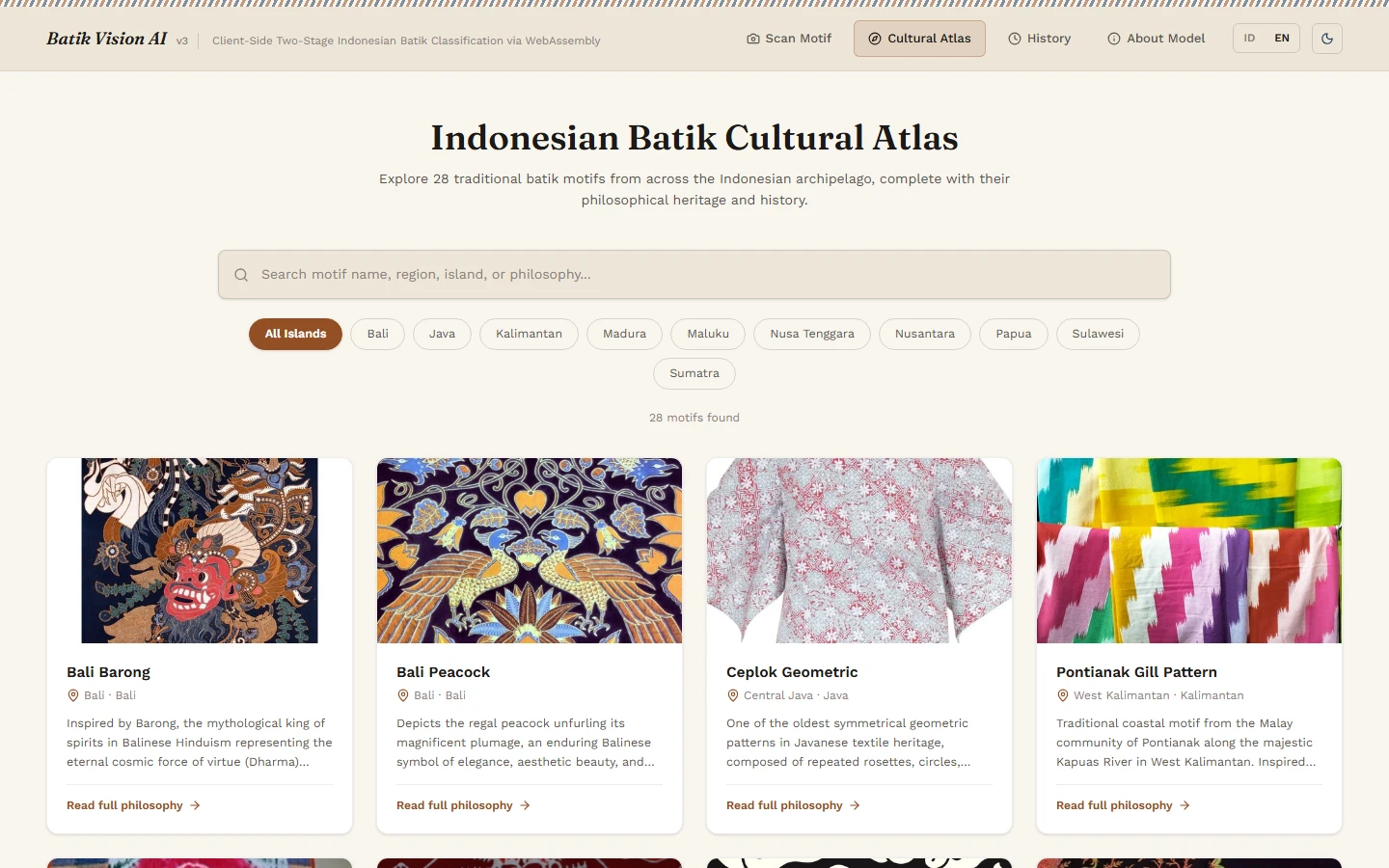
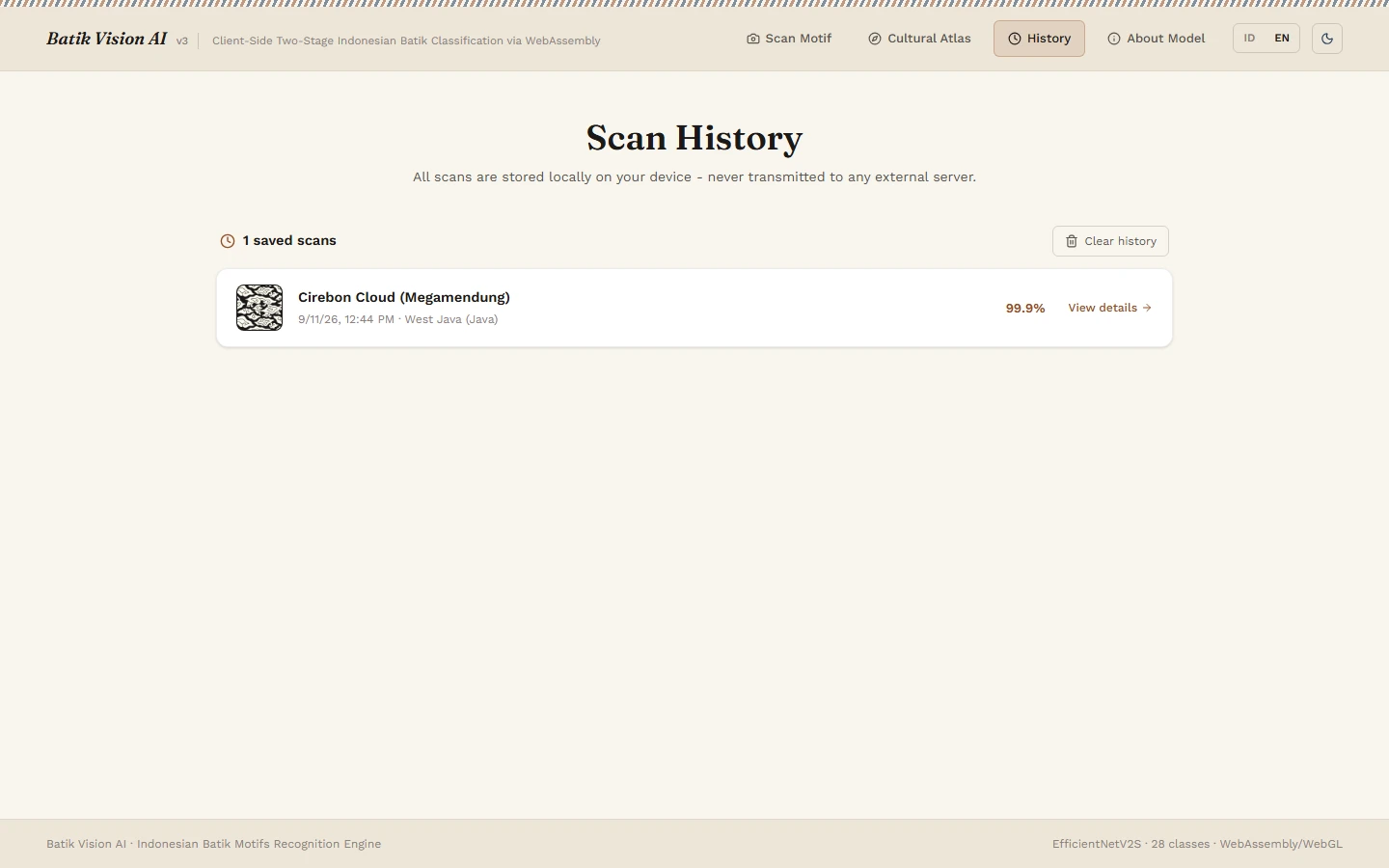
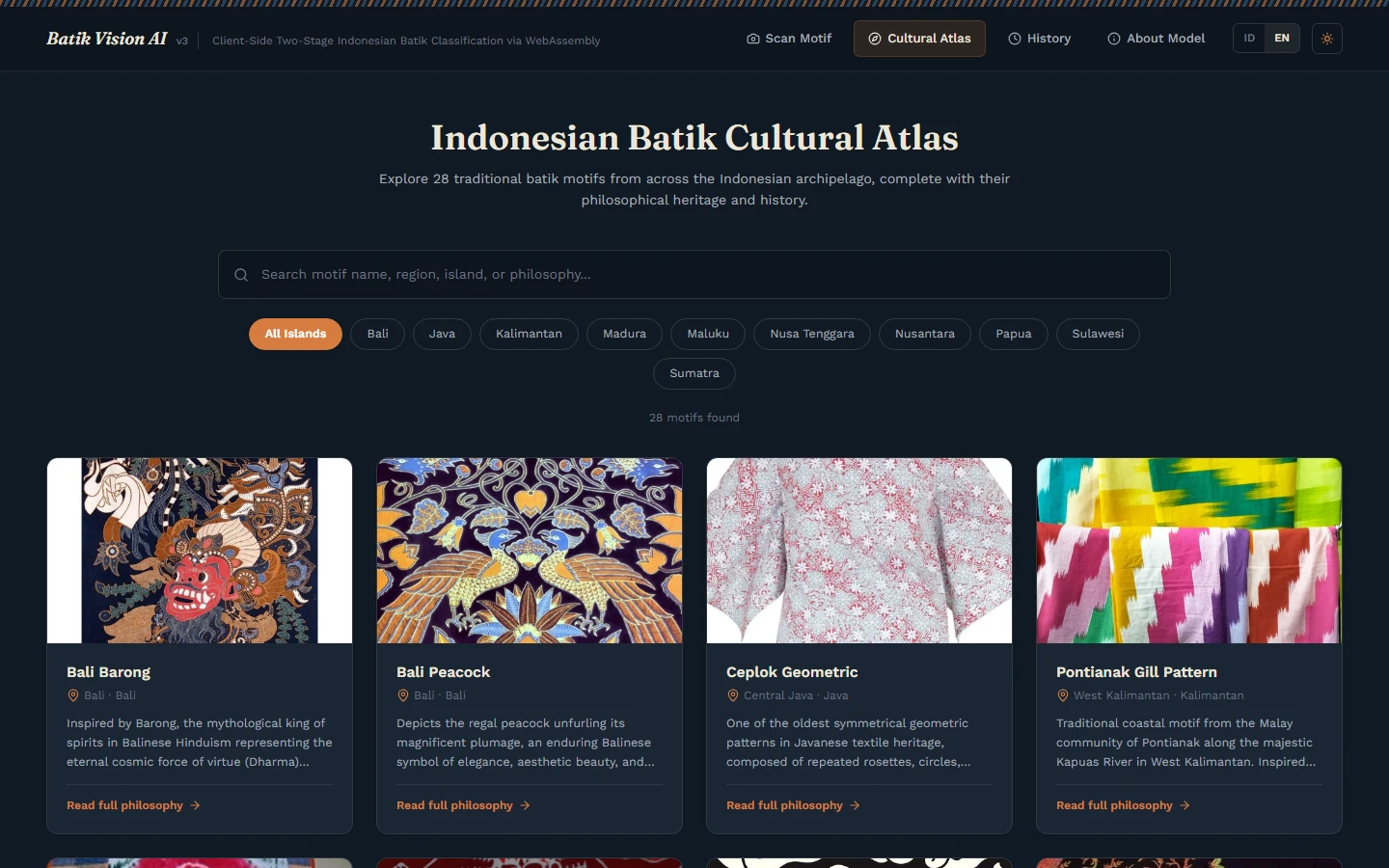
This web application uses an EfficientNet B0 CNN model to identify Indonesian Batik motifs from uploaded images. Created for a Digital Image Processing final exam, the app not only classifies the motif but also provides historical and philosophical information about its origin. It features a Streamlit interface with confidence level histograms and statistical tables.
This is a self-hosted web interface for OpenAI's Whisper model, created to make local audio transcription easier. It replaces the command-line workflow with a drag-and-drop browser UI. Since it runs entirely on your local machine, it allows for private transcription and translation without sending audio data to the cloud.
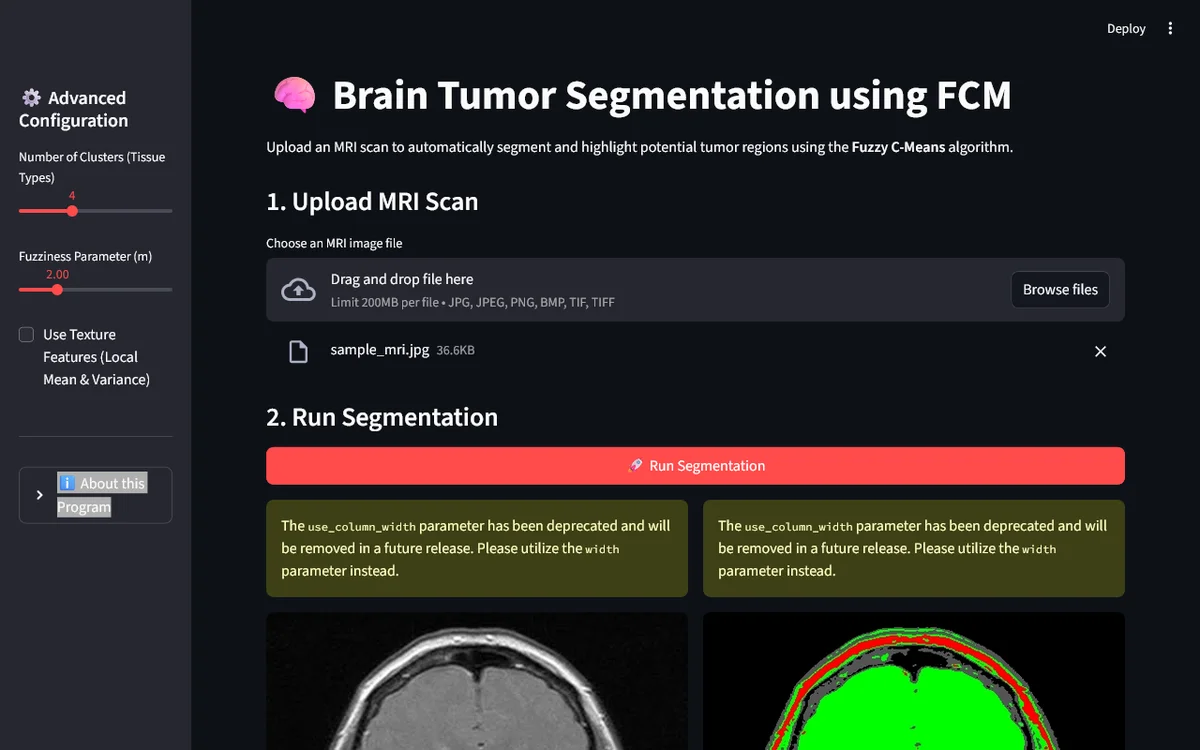
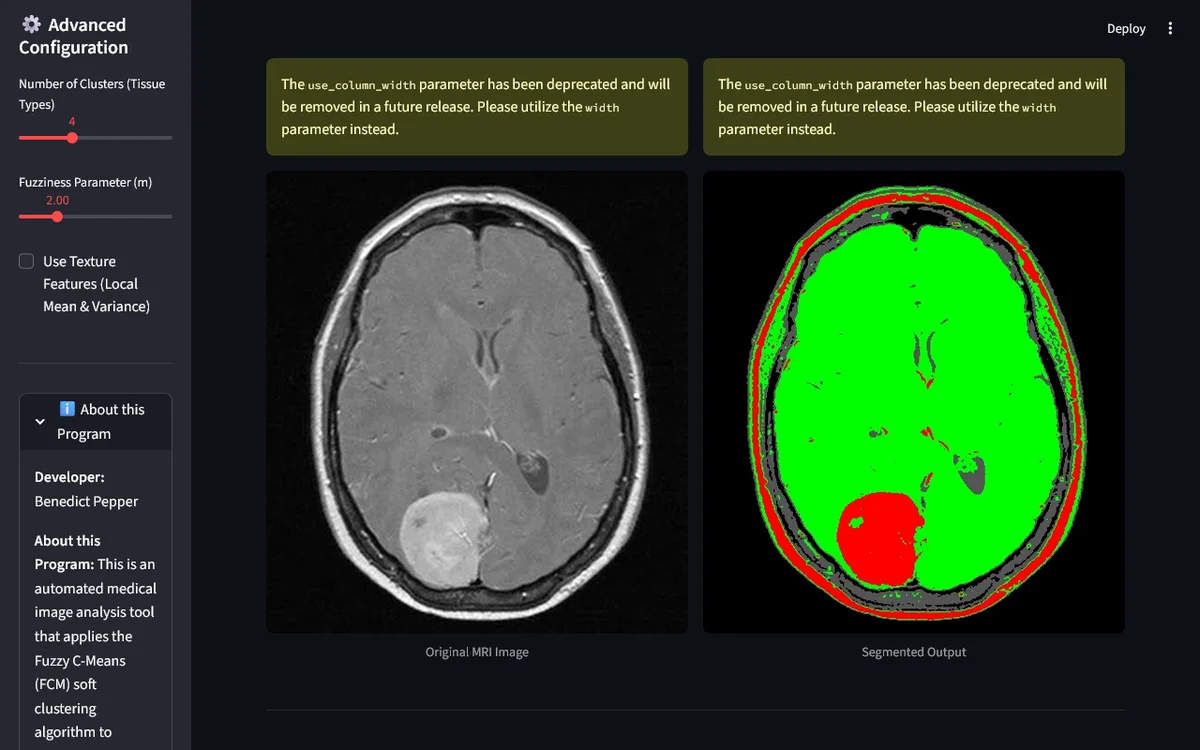
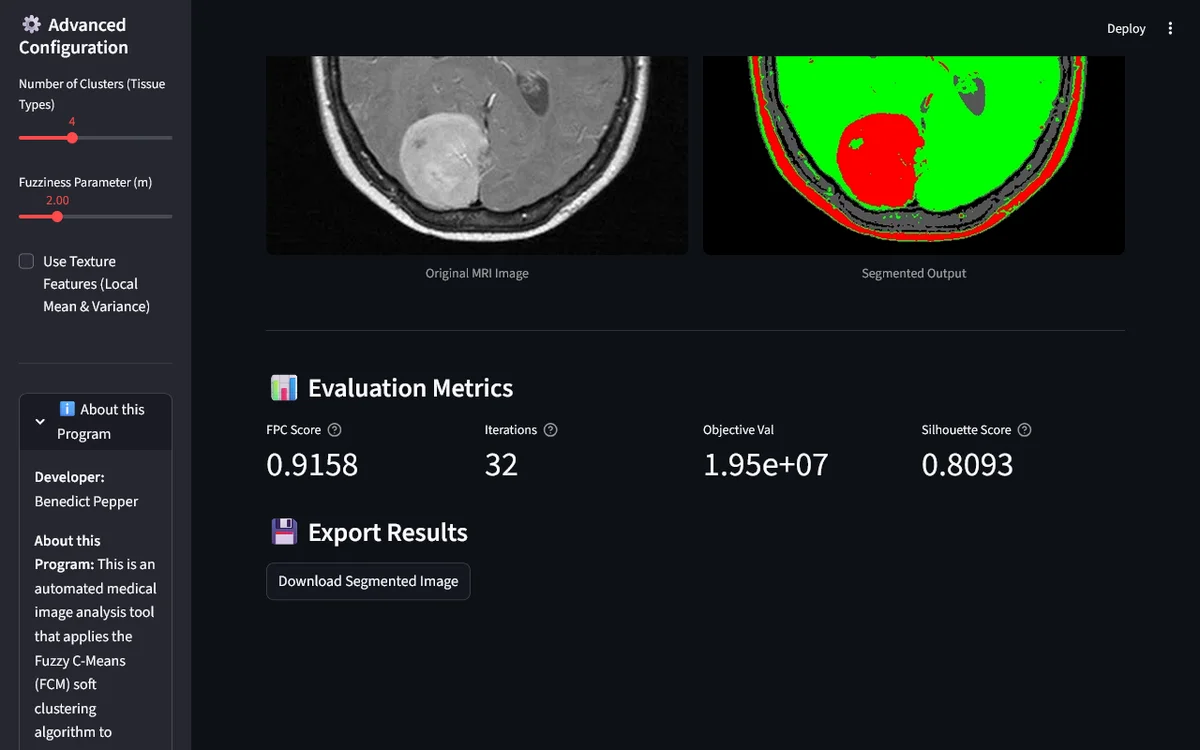
This project implements the Fuzzy C-Means (FCM) clustering algorithm for segmenting brain MRI scans. The goal is to group pixels based on fuzzy logic to help localize potential tumor areas. It serves as a technical implementation for medical image analysis and automated data segmentation.
A modern, serverless web platform specifically designed for finding, filtering, and booking affordable university tutors. It provides an intuitive interface for students to connect with academic help, showcasing full-stack capabilities and a clean, user-centric routing experience.
Keywords: Quantitative Finance, Optimization, Backtesting, On-chain Metrics
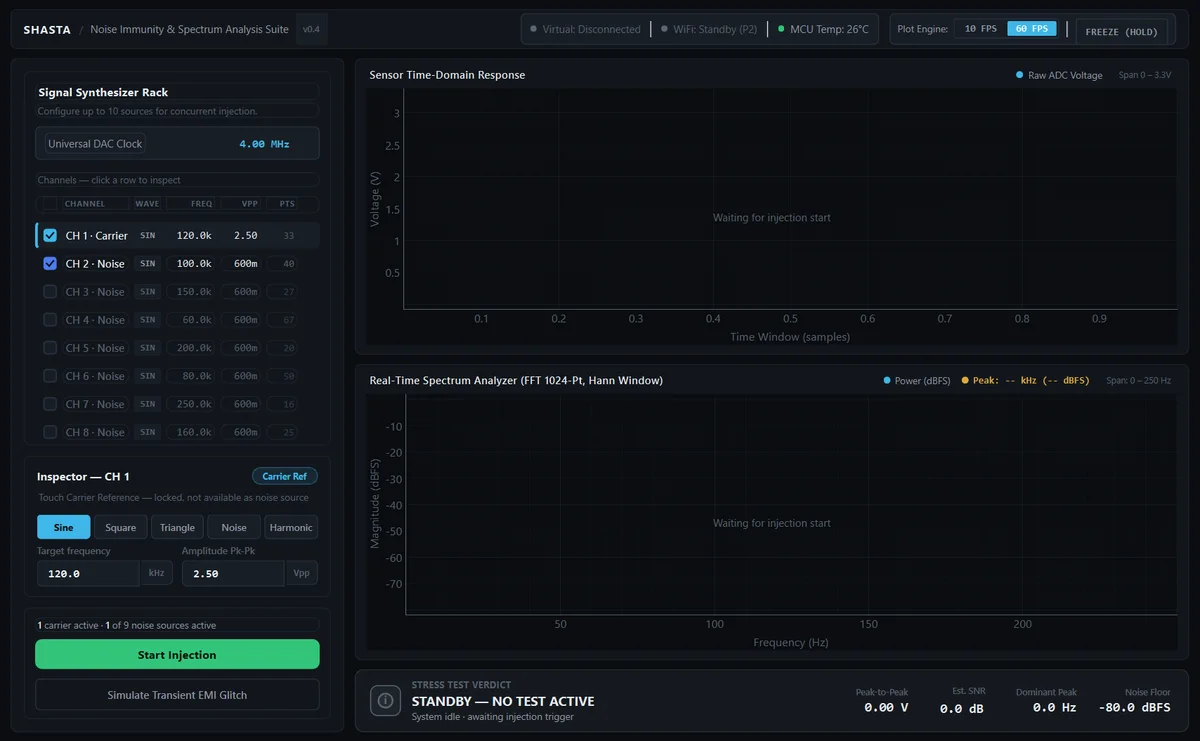
This research develops a quantitative optimization framework to find the ideal combination of trading parameters based on historical data. It optimizes buying and selling thresholds and asset allocation using the CBBI indicator to maximize Total Return and Sharpe Ratio while minimizing Maximum Drawdown. The study validates performance through In-Sample and Out-of-Sample testing and involves an interactive simulation dashboard.
Keywords: Health-Tech, Chatbot, Python, WhatsApp API, Patient Safety
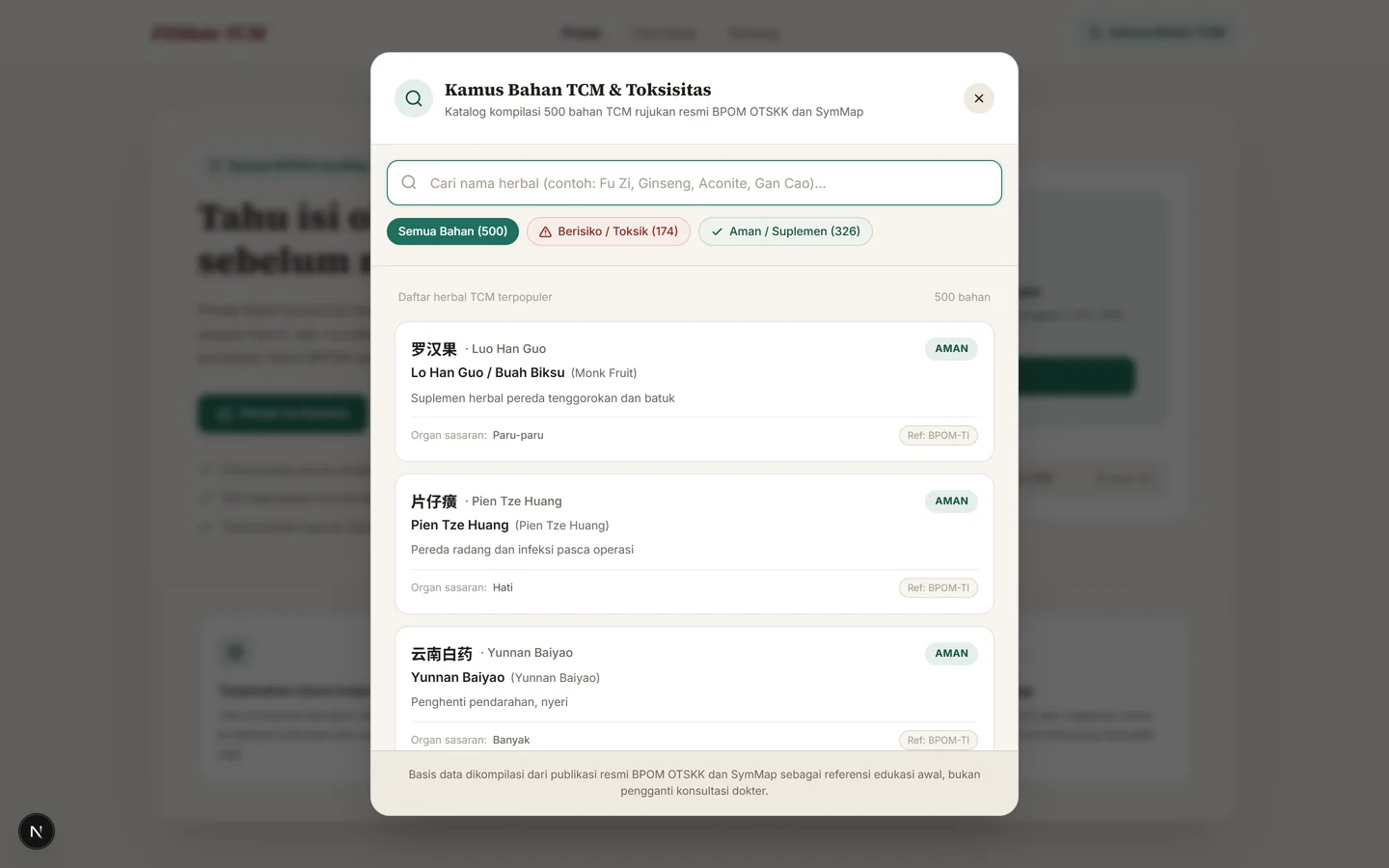
An interdisciplinary research project funded under the national Student Creativity Program (PKM-Karsa Cipta). FitMate is an innovative scanner and translation tool for Mandarin herbal medicine (TCM) labels. Accompanied by a website database and WhatsApp chatbot, it aims to prevent medication errors, educate users on side effects and drug interactions, and help screen products containing undisclosed medicinal chemicals (BKO) to improve patient safety.
Keywords: Applied Intelligence Systems, Python, XGBoost, MLP, Sensor Data
A research project aimed at improving the classification accuracy of sign language numbers using data collected from a sensor-equipped glove. Analyzing a dataset of 45,000 samples across 20 distinct classes and 16 physical sensor features, the study implements XGBoost and Multi-Layer Perceptron (MLP) networks to exceed the baseline 98.9% kNN accuracy and resolve overlapping classes.
Keywords: Deep Learning, EfficientNet, Transfer Learning, Progressive Resizing
A comparative study on training strategies for classifying Bacterial vs. Viral Pneumonia using Pediatric Chest X-Rays. The research demonstrated that fixed-size resolution training outperformed progressive resizing, achieving a final accuracy of 87.14% and an ROC AUC of 0.9431, optimizing computer-aided diagnostic reliability.
Keywords: UI/UX Design, System Usability Scale (SUS), Web Accessibility
Conducted a participatory UI/UX redesign of an e-commerce platform for special needs students' crafts. Through quantitative evaluation using the System Usability Scale, the intervention yielded a 25.4% improvement (from 57.81 to 72.50), elevating the platform's category from 'Marginal' to 'Good' and improving public visibility.
Keywords: Academic Communication, Linguistics, Content Analysis
A qualitative content analysis evaluating the formal vs. informal language usage in Artificial Intelligence course presentations. The study categorized syntactic structures and diction across multiple student groups, highlighting the critical role of formal linguistic norms in maintaining academic professionalism.
Currently open for internships, collaborations, or a chat about machine learning and software development.